16 May 2026
Altitude Adjustments Transform Accumulator Strategies Across South American Football Fixtures
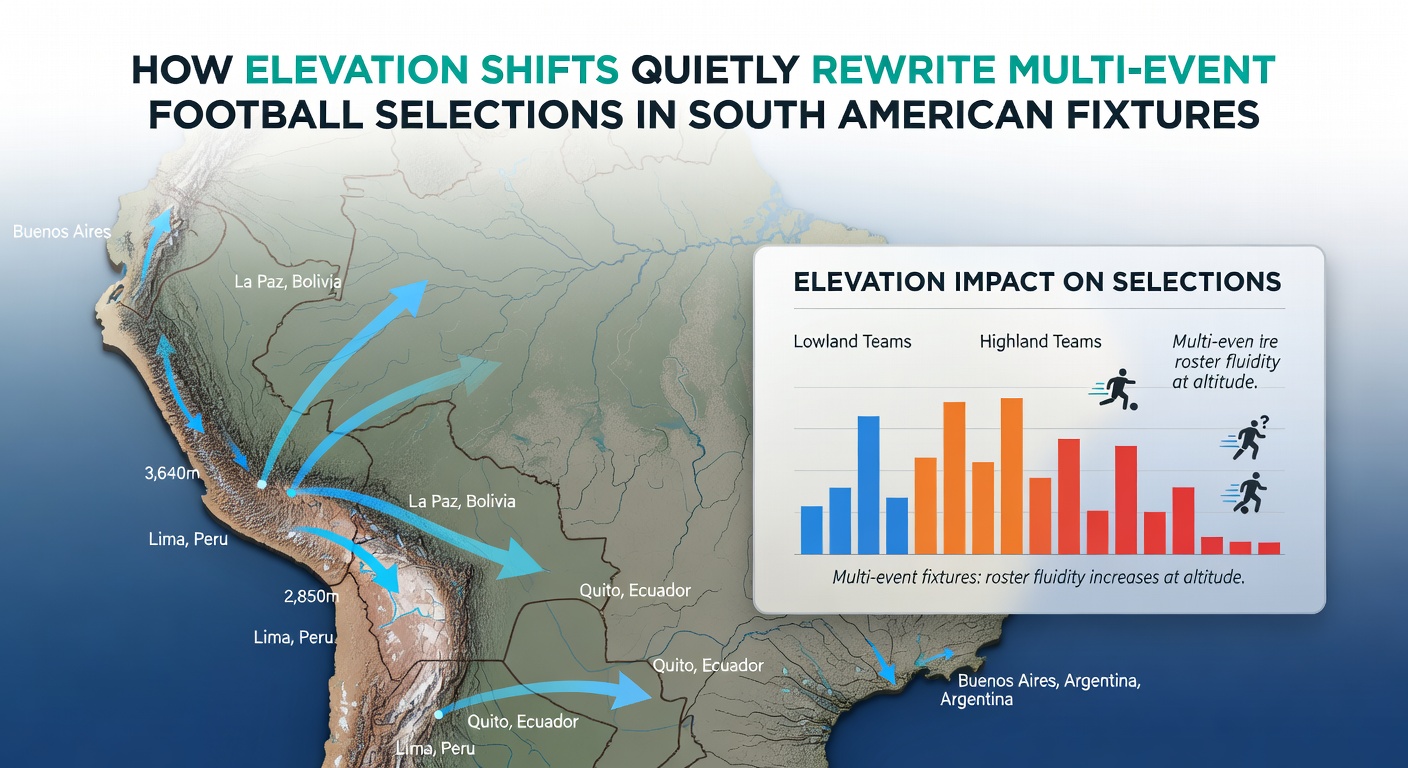
Data from South American leagues shows that elevation changes continue to reshape multi-event football selections because venues in the Andes create distinct performance gaps that repeat across fixtures, and these patterns hold steady through league rounds plus continental ties, while observers track how visiting sides from sea-level bases lose endurance faster when matches extend past the hour mark.
Key Venues Driving the Shifts
Stadiums such as Estadio Hernando Siles in La Paz sit at roughly 3,650 metres and force visiting players to manage reduced oxygen intake from the opening whistle onward, whereas teams based locally maintain higher work rates through the second half, and this divide shows up consistently in both domestic Bolivian matches and Copa Libertadores group stages that extend into May 2026 schedules.
Further north, Quito's Estadio Olímpico Atahualpa reaches 2,850 metres and produces similar effects on passing accuracy plus recovery times, while lower venues in Montevideo or Buenos Aires allow standard pacing that rarely matches the output seen at altitude, so accumulators built on home wins for elevated sides gain statistical backing from multiple seasons of recorded results.
Performance Metrics and Match Outcomes
Research from sports science groups indicates that total distance covered by non-acclimatised players drops by an average of 8 to 12 percent after the 60-minute mark, and this reduction correlates with fewer shots on target plus increased errors in midfield zones, whereas home sides at altitude sustain sprint counts longer and convert more counter-attacks into goals.
Ball flight changes also register because thinner air reduces drag, allowing shots and crosses to travel further and faster, which boosts long-range scoring chances yet increases the frequency of over-hit passes when teams from lower elevations fail to adjust their technique quickly, and data sets from CONMEBOL competitions confirm these adjustments appear most clearly in matches scheduled between 3,000 and 4,000 metres.
Implications for Multi-Event Selections
Accumulators that combine several South American fixtures gain structure when elevation profiles receive explicit weighting because selections involving high-altitude home teams show elevated success rates on both match-winner and total-goals markets, and this holds across midweek continental ties plus weekend league rounds that run through May 2026 calendars.
Those who build accumulators often separate legs by altitude category first, then apply standard form filters, because the physical edge at venues like El Alto or Cuenca compounds over multiple games and reduces variance that normally appears in flat-terrain fixtures, while figures from regional performance trackers reveal consistent edges for sides returning to base altitude after away trips to lowland opponents.
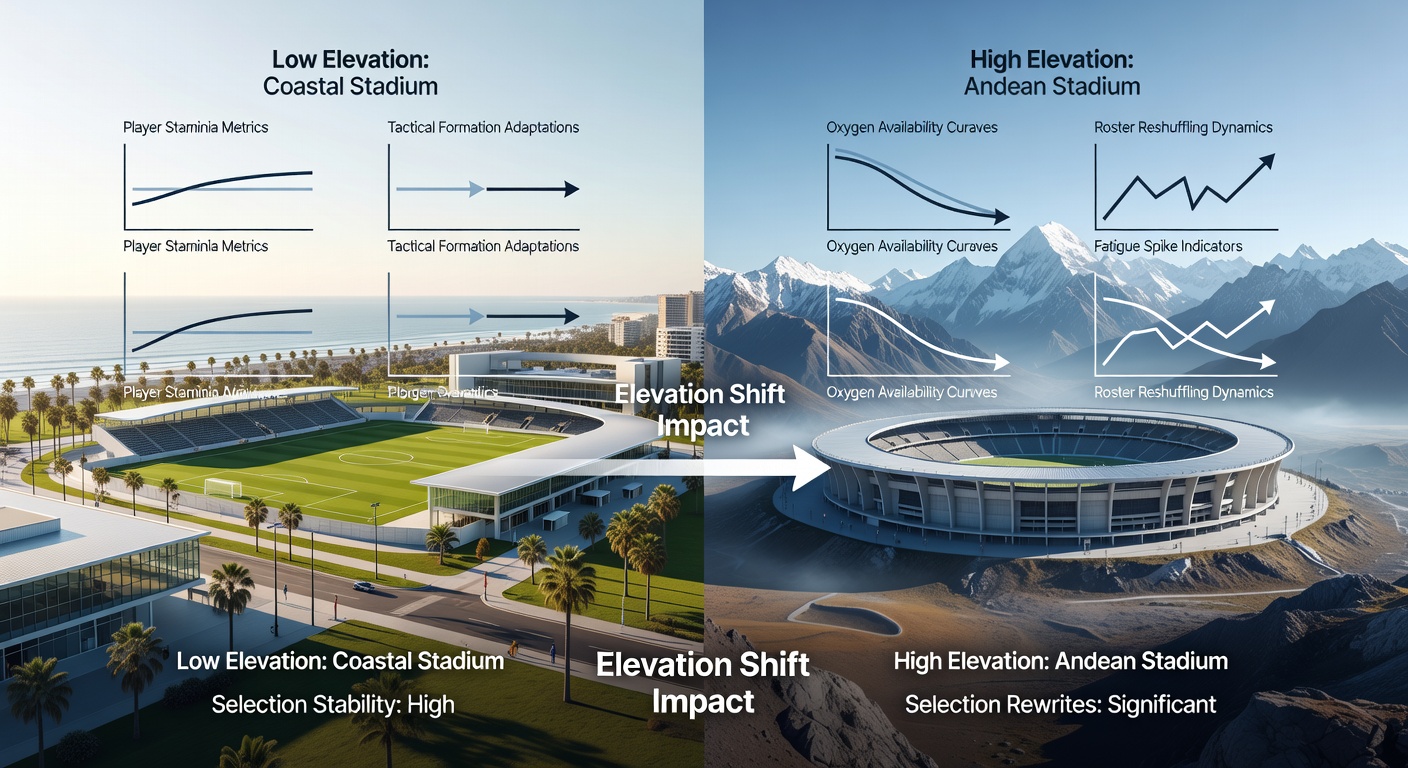
Recent Patterns in League and Cup Data
League tables from Bolivia's Primera División and Ecuador's Serie A indicate that home sides at altitude collect points at rates 15 to 20 percent above their season averages when facing lowland visitors, and these margins widen further in the latter stages of matches, while similar though slightly smaller effects appear in Peruvian fixtures played above 2,500 metres during the 2025 season that carried into 2026 planning.
Continental ties add another layer because teams from Brazil or Argentina must travel to multiple elevated venues within short windows, and fatigue accumulates across legs, which in turn affects later selections within the same accumulator, whereas local sides benefit from shorter travel and prior acclimatisation that preserves squad rotation options.
Looking Ahead to May 2026 Fixtures
With Copa Libertadores and Sudamericana group stages set to feature repeated high-altitude legs in May 2026, selectors gain advance notice of venue lists that allow pre-loading of relevant markets before squads depart, and early scheduling releases already list several La Paz and Quito dates that historically produce the clearest statistical separation between home and away outputs.
Those preparing multi-event builds therefore review acclimatisation windows first, cross-reference historical goal timings at each ground, then layer in current squad news, because the physical component remains stable enough to support repeatable edges even when form lines fluctuate.
Conclusion
Elevation continues to function as a quiet variable that rewrites outcomes across South American fixtures because it alters endurance, ball behaviour and recovery windows in measurable ways that repeat season after season, and accumulators built with these factors receive consistent statistical support from league and continental data sets that extend into the 2026 calendar. Observers who track venue-specific metrics therefore maintain clearer edges when constructing selections that span multiple elevation categories.