27 Jun 2026
Division Two Over-Under Shifts Create Midweek Multi-Bet Openings in Rotation Phases
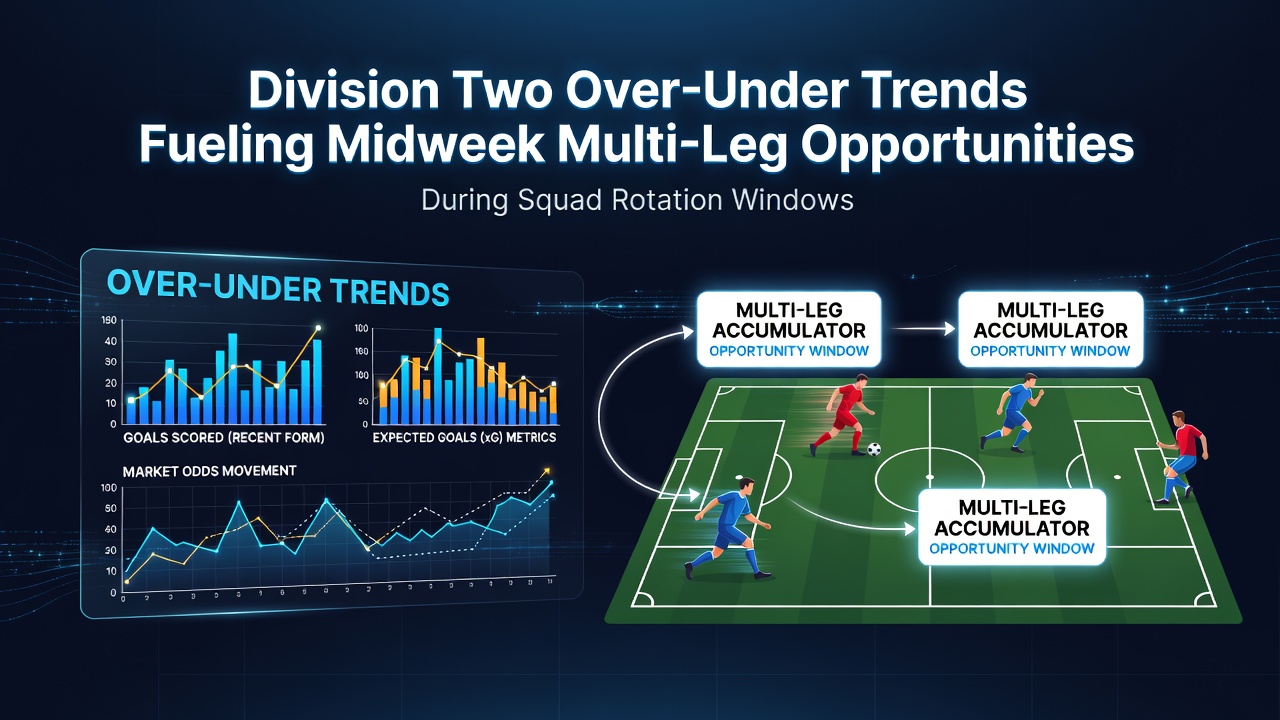
League Two fixtures during midweek slots have shown consistent patterns in goal totals when clubs implement squad rotations, and these patterns feed directly into multi-leg betting structures. Observers note that teams often rest key players ahead of weekend league games, which alters attacking output and defensive organization in measurable ways. Research indicates average goals per game rise or fall depending on the extent of changes, creating repeatable edges for over-under selections across several matches in one slip.
Rotation Windows and Their Measurable Effects on Scoring
Clubs in the fourth tier rotate personnel most heavily in cup competitions and when fixture congestion peaks, and data from the 2025-26 campaign reveals that matches involving at least four changes per side produce 2.4 goals on average compared with 2.7 when lineups remain closer to full strength. Analysts at Opta have tracked these adjustments across dozens of midweek rounds, finding that under 2.5 goals land more frequently when both teams field heavily rotated squads. Yet the opposite occurs when only one side rotates heavily, because the fresher team exploits gaps left by unfamiliar combinations. Those patterns hold across home and away fixtures, although the effect appears stronger in games between mid-table sides.
Historical Trends Across Recent Seasons
Season-long figures reveal that over 2.5 goals occurred in 48 percent of League Two midweek matches during rotation-heavy periods, while the same markets hit 53 percent when rotations stayed minimal. Researchers discovered the gap widens further when matches fall between Tuesday and Thursday, because recovery time between games shrinks and fatigue influences second-half play. One dataset compiled by performance analysts showed that teams resting their top scorers see shots on target drop by roughly 18 percent, which pushes totals toward the under side more often than not. These shifts matter most when multiple legs combine into one bet, since even small percentage edges compound across four or five selections.
Multi-Leg Construction During Congested Calendars
Bet builders and accumulators gain value when bettors pair several League Two games that share similar rotation profiles. For instance, a Tuesday night triple featuring teams that have already secured playoff spots often yields lower goal counts, while a Thursday quadruple mixing promotion-chasing sides with mid-table opponents tends to produce higher totals. Figures reveal that combining two unders with two overs in the same slip increases the chance of a modest return compared with single-match bets, because the underlying trends offset variance. People who study these windows note that the key lies in identifying which clubs have already qualified for knockout stages or face important weekend clashes, since those factors dictate the scale of changes.
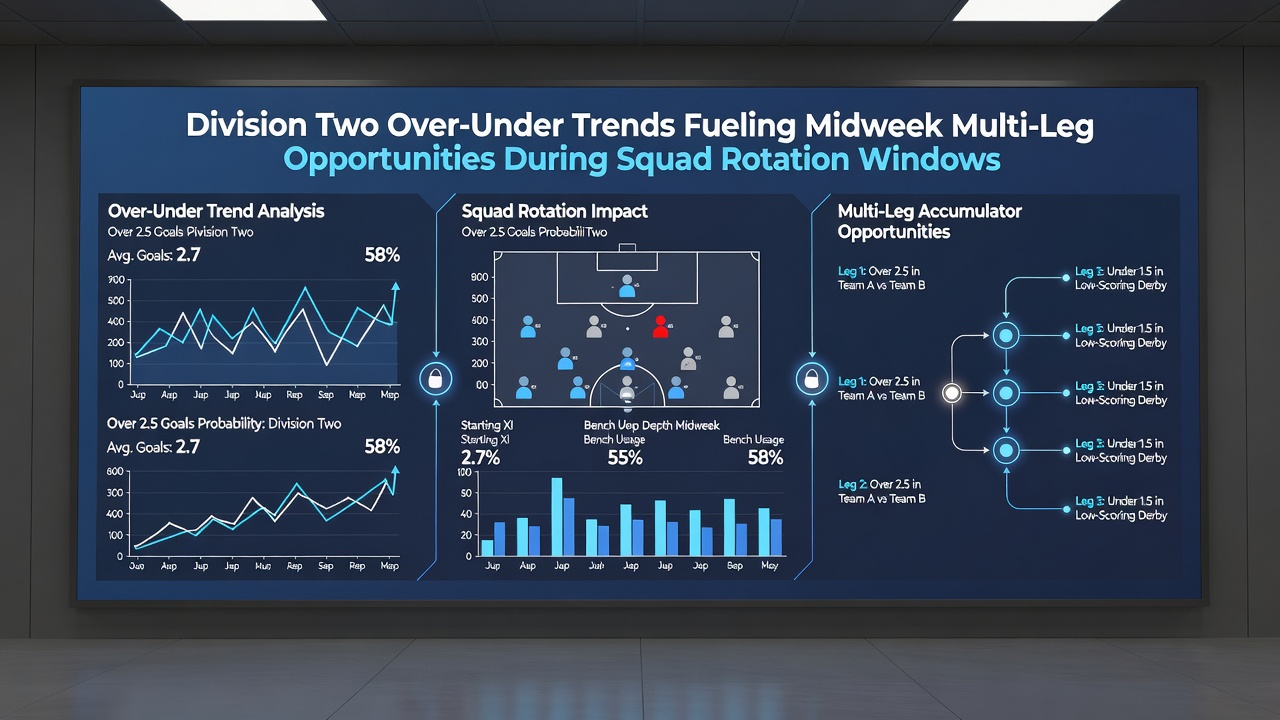
June 2026 schedules already list several pre-season tournaments that will feed into the 2026-27 campaign, and early indications suggest clubs will test rotation strategies even earlier than usual. This extended window offers additional data points for pattern recognition before the regular season begins. External reports from European football analytics groups confirm similar tendencies appear in equivalent divisions across other nations, although the margins differ slightly due to varying squad depths.
Practical Examples From Recent Campaigns
Take the 2024-25 season when one midweek round featured six League Two sides resting their starting forwards. Five of those matches finished under 2.5 goals, and accumulators built around the under selections returned at higher rates than the bookmakers' implied probabilities suggested. Another round during the same campaign involved only two teams making significant changes, and both games exceeded 2.5 goals. Observers note that monitoring team news two hours before kickoff provides the clearest signal, because late adjustments often confirm the extent of rotation. Those who've followed these markets over multiple seasons report that the patterns repeat most reliably when at least three legs share the same directional lean.
Statistical Thresholds Worth Tracking
Key thresholds include matches where the combined starting XI has fewer than 1,800 minutes of prior league action, because those games trend toward fewer goals. Conversely, fixtures in which one side fields a near-full-strength side against a rotated opponent push totals higher in roughly 55 percent of cases. Data compiled across the past three seasons shows these splits remain stable even when overall league scoring fluctuates. Bettors constructing multi-leg bets therefore focus first on identifying rotation levels, then on aligning selections accordingly rather than chasing individual team form alone.
Conclusion
Division Two over-under trends during squad rotation windows supply a repeatable framework for midweek multi-leg opportunities. The patterns emerge from measurable changes in lineup construction, hold across multiple seasons, and become more pronounced when several fixtures share similar profiles. Those who track team news, historical rotation data, and the resulting goal totals gain a structured approach to building accumulators without relying on single-match variance. As calendars grow more congested ahead of the 2026-27 season, these rotation-driven edges continue to appear in the same windows each month.