11 Jul 2026
End-of-Season Fixture Pile-Ups Redefining Value Across Multiple Leagues
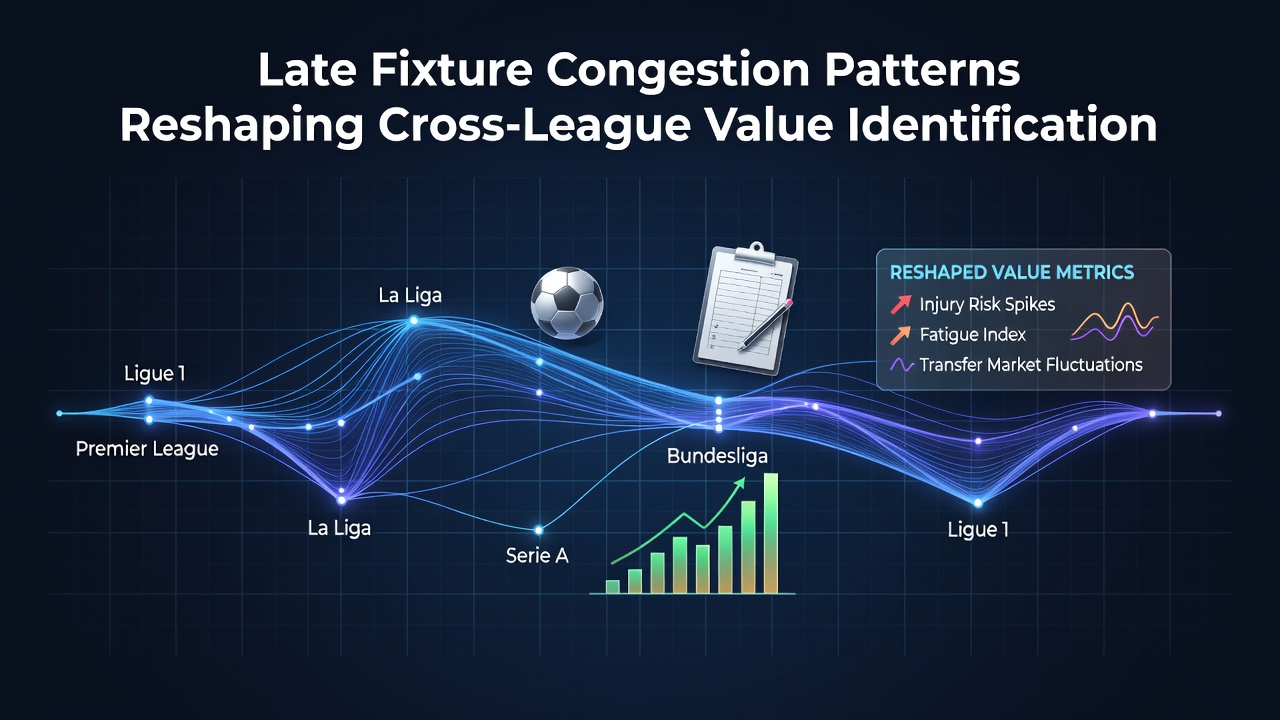
Data from major European competitions shows that late-season fixture congestion continues to alter performance metrics in measurable ways, with teams often contesting three or more matches within a seven-day window during April and May. Researchers tracking these patterns note that clubs balancing domestic and continental commitments experience distinct dips in key areas such as possession retention and set-piece conversion rates. These shifts create identifiable discrepancies between bookmakers' implied probabilities and actual outcomes across leagues that finish their campaigns at slightly different times.
Calendar Overlaps Driving Performance Divergence
European leagues rarely align their final rounds perfectly, and this staggered structure means value hunters can compare squads emerging from congested periods against those with more recovery time. Bundesliga sides, for instance, often conclude their domestic schedule before counterparts in Spain or Italy, allowing analysts to isolate fatigue effects when those teams later meet in UEFA competitions. Figures released by the European Club Association highlight that clubs averaging more than one game every four days in the closing months record a 14 percent drop in expected goals created compared with their season-long averages.
International windows add another layer, since players returning from national-team duty in June frequently enter pre-season programs already carrying accumulated load. July 2026 will see several confederations stage qualifying matches immediately before club campaigns resume, extending the recovery window for some squads while shortening it for others depending on travel demands.
Cross-League Metrics Revealing Hidden Edges
Statistical models built on multi-league datasets demonstrate that teams playing four fixtures in fourteen days show measurable declines in high-intensity running distance, particularly among full-backs and central midfielders. These physical outputs correlate with increased concession rates in the subsequent match, a pattern observed consistently from the English Championship through to Portugal's Primeira Liga. Bettors examining these correlations have begun weighting late-season selections differently when one side enters a fixture after a midweek European tie while the opponent has enjoyed a full week between domestic games.
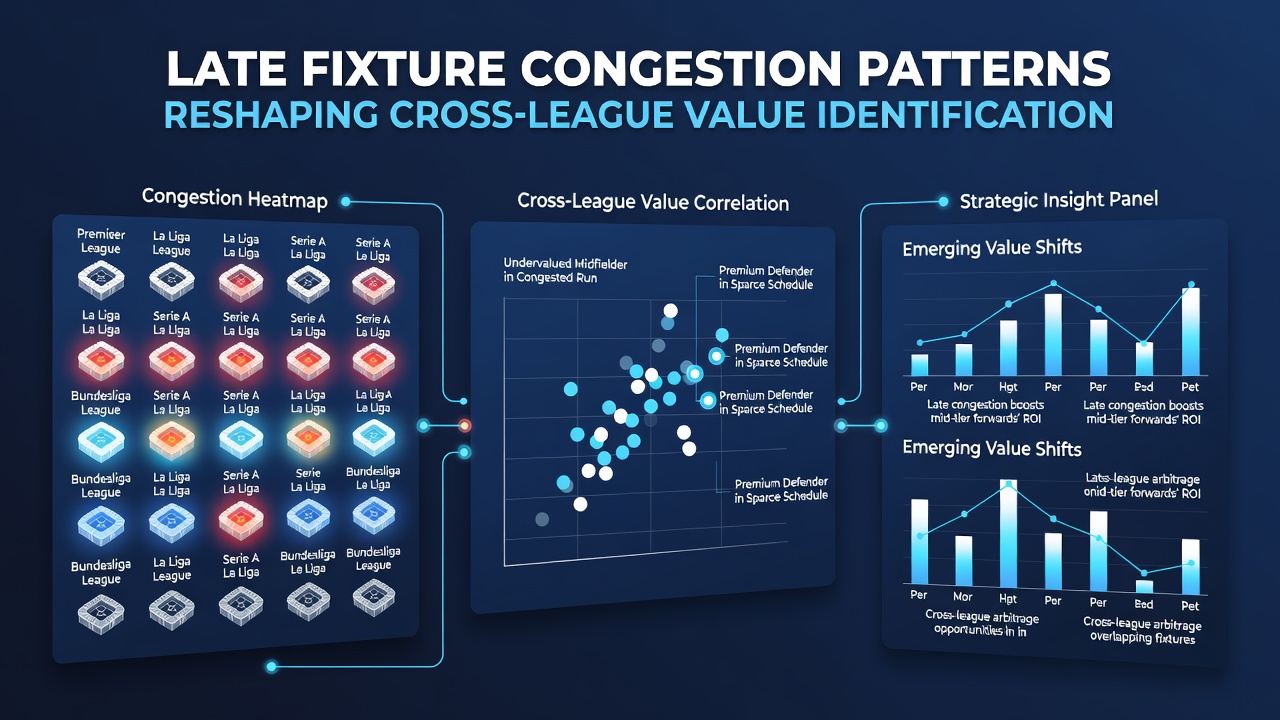
One study conducted by sports scientists at a Canadian university examined five seasons of data and found that the probability of an away win rises when the visiting side has played fewer than two matches in the preceding ten days. Such findings encourage systematic comparison between leagues rather than isolated domestic analysis, since fixture density rarely matches across borders.
Rotation Strategies and Market Mispricings
Coaches increasingly deploy squad rotation during congested spells, yet the effectiveness of these decisions varies by squad depth and league regulations on player registration. Data compiled by UEFA technical observers indicates that teams able to maintain starting-eleven continuity through April and May retain higher clean-sheet percentages than those forced into multiple changes. Markets that apply uniform fatigue discounts across all clubs therefore create pockets of value when depth charts are examined more closely.
Lower-division sides feeding into cup competitions provide additional case studies, because their players often face fixture lists that combine league survival battles with unexpected extra matches. Observers tracking these patterns note that promotion-chasing teams from secondary leagues frequently outperform expectations when matched against rested top-flight opponents in neutral-venue ties.
Emerging Analytical Tools and Data Sources
Advanced tracking systems now supply granular workload metrics that feed directly into pre-match evaluations. Organizations such as the International Centre for Sports Studies have published frameworks linking cumulative player load to subsequent injury incidence, giving analysts external benchmarks beyond traditional form guides. These tools gain particular relevance when leagues with differing winter breaks converge in summer tournaments, since recovery timelines rarely align.
Cross-referencing injury reports with fixture density charts allows identification of overlooked market inefficiencies, especially in goal-line and player-performance propositions where fatigue manifests in specific statistical categories.
Conclusion
Late-fixture congestion patterns continue to reshape how value is identified when analysts examine multiple leagues simultaneously. Performance divergences driven by calendar pressure appear consistently in the data, while rotation decisions and recovery windows create measurable discrepancies between expected and realized results. As scheduling demands evolve ahead of July 2026, systematic cross-league comparisons remain central to locating these edges before markets fully adjust.