30 May 2026
European Midweek Journeys Reshaping Accumulator Strategies in Football Leagues
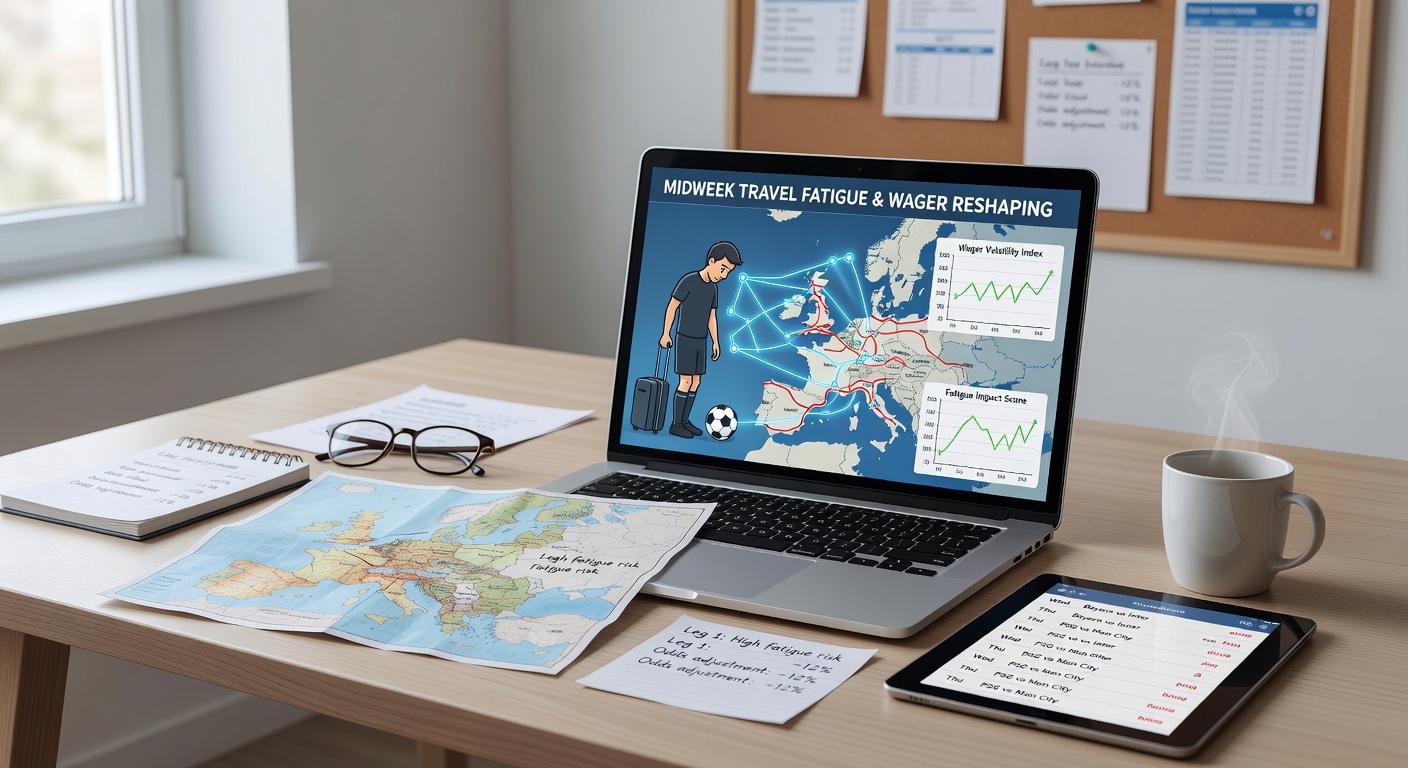
European football leagues schedule numerous midweek fixtures that force teams into extensive travel across borders and time zones, and these demands create measurable effects on player performance which in turn alter how multi-leg wager frameworks get constructed. Observers note that clubs competing in domestic cups alongside continental tournaments often cover hundreds of kilometers between matches, and data from scheduling analyses indicate that recovery periods shorten significantly when journeys exceed four hours. Researchers have tracked these patterns through GPS monitoring and physiological tests, revealing that muscle fatigue and sleep disruption occur more frequently in such scenarios compared to weekend-only schedules.
Scheduling Pressures Across Major Leagues
Leagues such as the Bundesliga, Serie A, and Ligue 1 pack calendars tightly during autumn and spring months, while May 2026 brings additional cup finals and playoff rounds that intensify travel loads for clubs still in contention. Figures from league records show an average of three midweek rounds per month for top teams, and this density forces logistics teams to optimize flights and buses even as jet lag compounds physical strain. Analysts compile these schedules to identify clusters where away sides face consecutive long-haul trips, and such clusters correlate with drops in high-intensity running metrics during the second half of games.
Physiological Data and Performance Metrics
Studies conducted by sports science groups across Europe track heart rate variability and blood markers in players after midweek travel, and the results demonstrate slower reaction times plus reduced sprint speeds when rest falls below forty-eight hours. One project involving multiple Bundesliga clubs found that teams logging over eight hundred kilometers midweek posted twenty-two percent fewer successful passes in subsequent domestic matches, while similar patterns emerged in La Liga data sets. These measurements feed into predictive models that wager operators and analysts use to adjust probabilities within multi-leg selections.
What's interesting is how fatigue manifests unevenly across positions, with midfielders and fullbacks showing greater declines in distance covered than goalkeepers or central defenders. League statisticians cross-reference these findings with match reports, and the combined data sets allow frameworks to weight selections differently depending on a side's recent itinerary. Bettors who incorporate such variables into accumulator builds often prioritize home teams that avoided travel or sides returning from shorter domestic journeys.
Adjustments in Multi-Leg Wager Construction
Accumulator builders now integrate travel-distance calculators alongside traditional form and head-to-head records, and software platforms have added filters that flag fixtures where one participant completed long-haul trips within seventy-two hours. Research compiled by the European Institute of Sports Analytics reveals that underdog results increase by fifteen percent in such matchups, prompting shifts away from heavy favorites in chained bets. This approach spreads risk across legs rather than concentrating on single high-confidence outcomes, and it reflects broader recognition that fatigue introduces variance not captured in standard statistics alone.
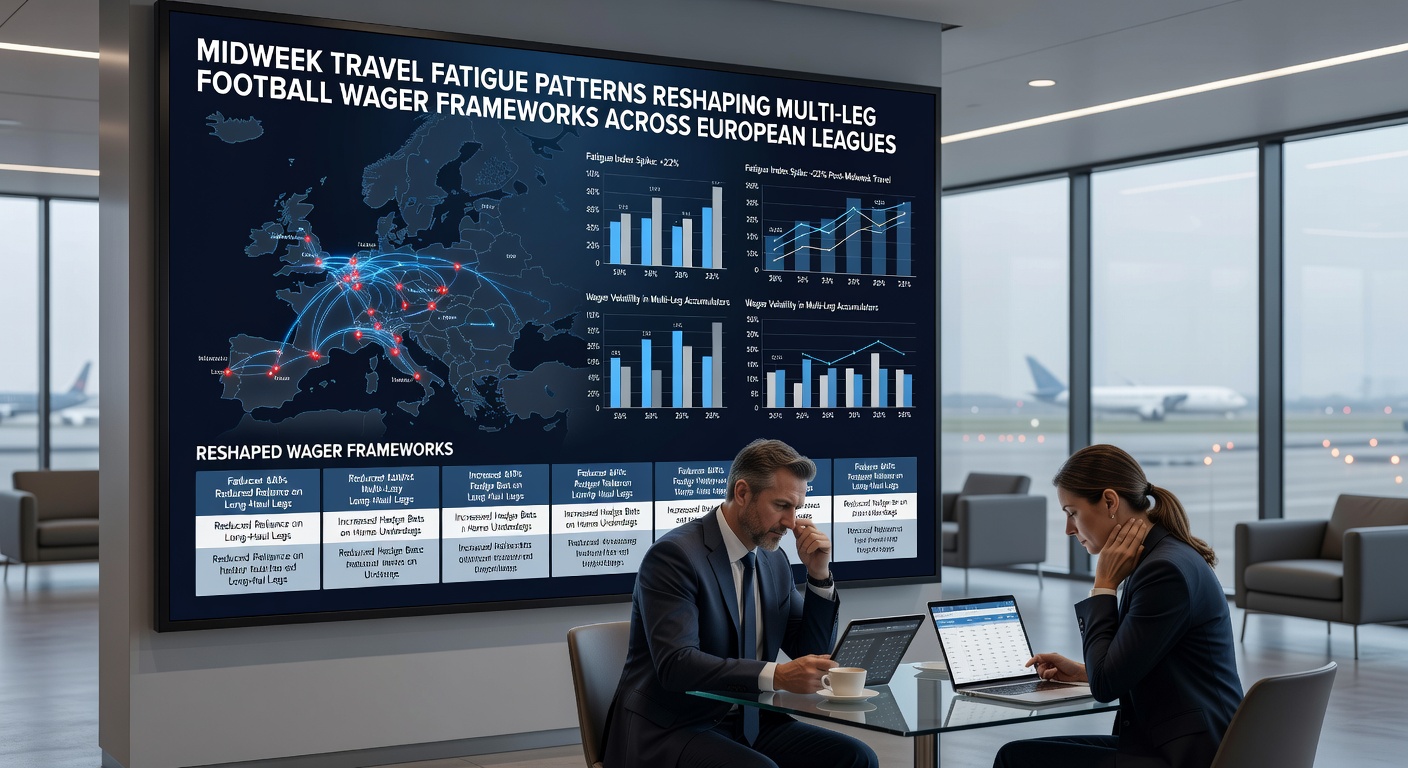
Case examples from the 2025-2026 season illustrate these changes in action. Teams like those in the Eredivisie that balanced European group-stage travel with domestic commitments experienced higher draw rates in the following round, and observers documented how late substitutions rose when squad rotation became necessary. Such patterns encourage wager frameworks to include draw options or over-two-goals markets in affected legs, since fatigued defenses concede more frequently during final twenty minutes. Data aggregation services now supply weekly travel-impact reports that feed directly into selection algorithms used by both professional syndicates and recreational participants.
Regional Variations and Emerging Tools
Northern European clubs encounter harsher weather variables during winter midweeks, whereas southern clubs deal more with heat and humidity after flights, and comparative studies highlight how these environmental factors amplify baseline fatigue. A report issued by the French National Institute for Sport Research links elevated humidity levels after travel to increased injury substitution rates, and this information prompts further tweaks in live accumulator monitoring. Tools that overlay travel logs with real-time weather feeds have gained adoption among data-driven bettors, and they deliver granular inputs for adjusting stake distribution across multi-leg structures.
League governing bodies continue to review fixture congestion, yet the commercial demands of broadcasting rights sustain dense midweek programming. May 2026 schedules already list overlapping cup ties that will test even the deepest squads, and preliminary models project continued elevation in fatigue-related variance. Analysts therefore recommend ongoing updates to frameworks rather than static strategies, since travel patterns evolve with each new round of European qualification and domestic knockout stages.
Conclusion
Travel fatigue from midweek European commitments produces quantifiable shifts in match statistics that directly influence how multi-leg football wagers get assembled. Data sets from performance tracking and scheduling reviews supply the factual basis for these adjustments, while emerging analytical tools help integrate the variables into practical selection processes. Observers expect these patterns to persist through the 2026 calendar as leagues maintain packed programs, and continued monitoring of physiological and outcome metrics will keep frameworks aligned with the realities of cross-border travel.