29 Jun 2026
Squad Rotation Patterns Reshaping Accumulator Reliability in Midweek European Fixtures
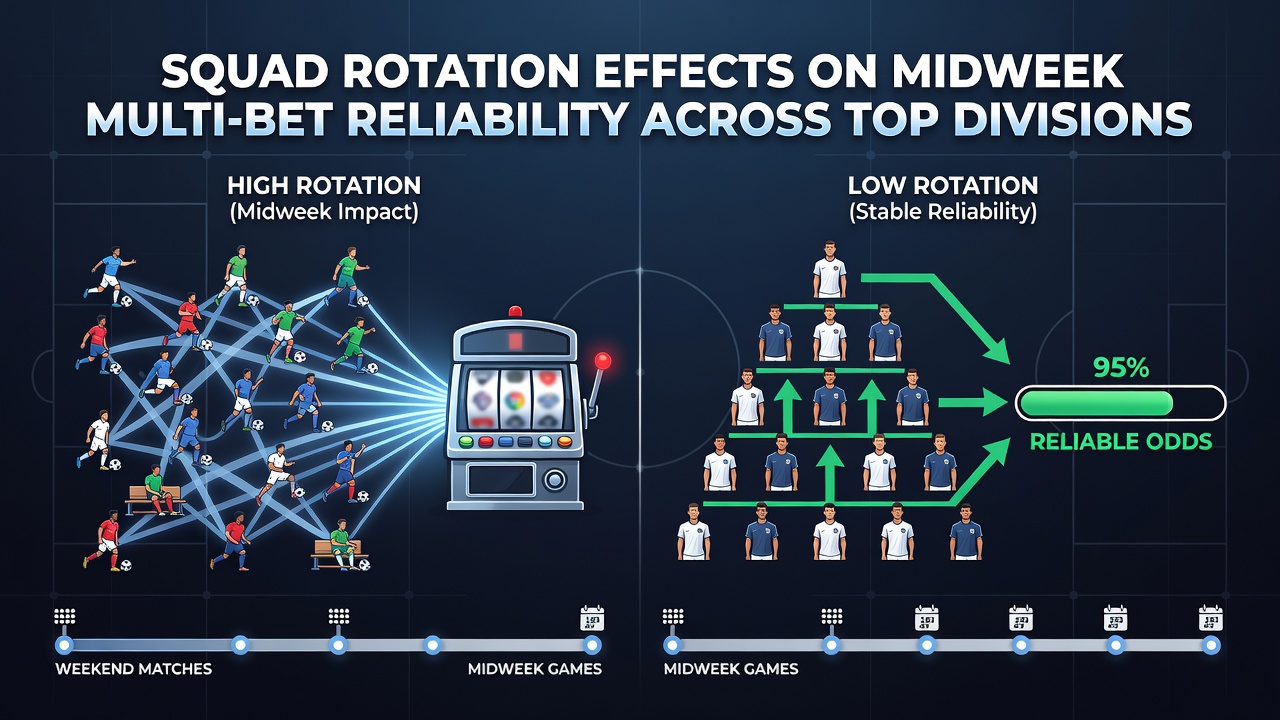
Top divisions across Europe have long featured packed schedules where midweek matches follow weekend fixtures, forcing managers to adjust lineups and rest key players, which in turn influences how accumulators perform when bettors combine selections from multiple games. Data from performance tracking services shows that teams in the Premier League, La Liga, Serie A, and Bundesliga often rotate up to six players on average during these congested periods, leading to measurable shifts in goal-scoring rates and defensive stability that affect multi-bet outcomes.
League-Specific Rotation Trends
Researchers at sports analytics firms have documented distinct patterns where Bundesliga sides rotate more aggressively than their Serie A counterparts because of the high-tempo style that demands fresh legs, while La Liga clubs tend to preserve core midfielders even in midweek slots. Observers note that these choices create ripple effects on accumulator reliability since a rotated squad might concede more set-piece goals or struggle to convert chances at the same rate as a full-strength lineup. According to figures compiled by UEFA technical reports, midweek European fixtures in the 2025-26 campaign saw a 14 percent drop in expected goals per 90 minutes for teams coming off intense weekend derbies.
Data on Midweek Performance Shifts
Studies from academic institutions such as the University of Loughborough's football research group indicate that rotation correlates with reduced clean-sheet probabilities, particularly when defensive partnerships lack recent match minutes together. Bettors constructing accumulators across top divisions encounter these variables because bookmakers adjust lines based on historical rotation data, yet the actual results can diverge when unexpected injuries force further changes. Evidence from the 2025 season highlights how teams with deeper benches maintained higher win percentages in midweek slots compared to those relying on youth integrations, a factor that directly feeds into the consistency of multi-leg bets.
Impact on Accumulator Construction
People building multi-bets often select overs or unders on goals, and rotation data reveals that attacking output dips when star forwards sit out, though midfield rotations can sometimes increase through-ball opportunities. What's notable is how these patterns vary by competition stage, with June 2026 marking the close of the domestic season where final midweek rounds coincide with title deciders and relegation battles, amplifying the stakes for any squad adjustment. Analysts point to cases where Premier League sides chasing European qualification rotated more conservatively, preserving accumulator-friendly results in key fixtures.
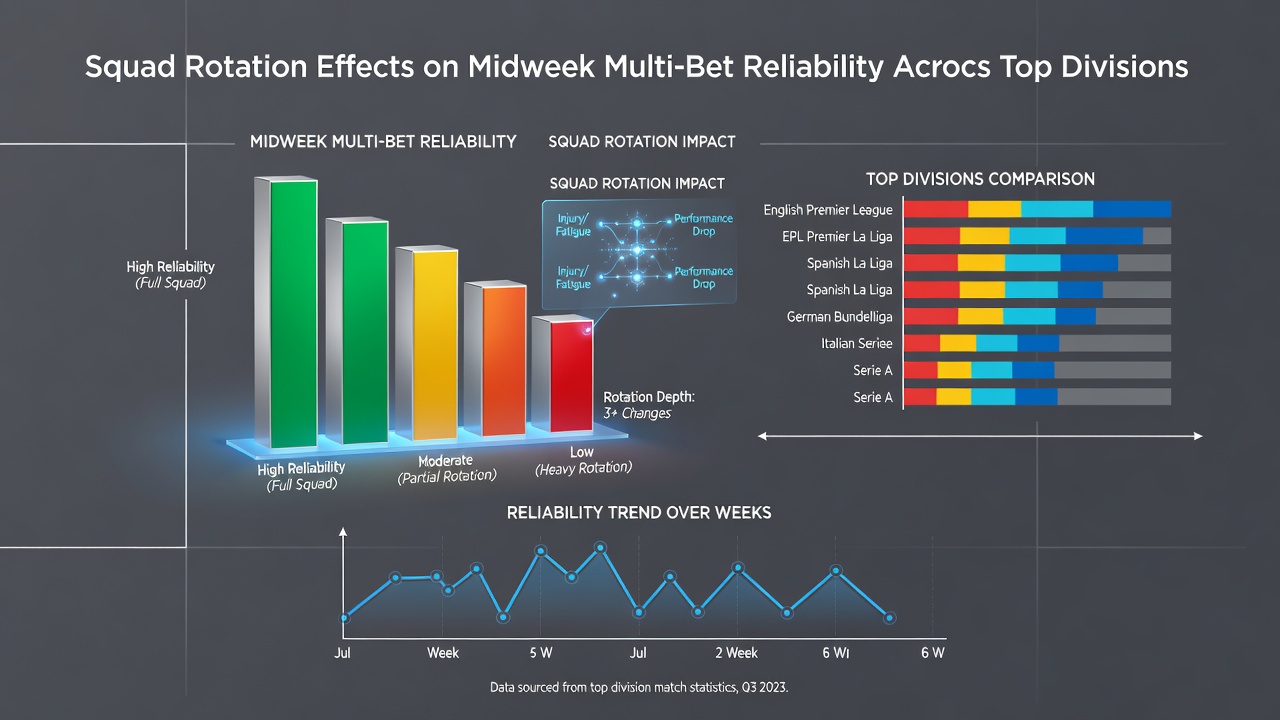
Industry reports from organizations like the European Club Association underscore that financial incentives for Champions League participation encourage measured rotation strategies, whereas domestic cups prompt bolder changes that can destabilize defensive records. Those tracking betting markets observe that accumulator reliability improves when bettors factor in average squad depth metrics rather than relying solely on recent form, since rotated teams exhibit wider variance in match outcomes. A study published in the Journal of Sports Sciences found correlations between player workload data and second-half performance drops, information that sharpens multi-bet frameworks across divisions.
Regional Variations and Broader Context
While European leagues dominate discussions, similar dynamics appear in other top divisions worldwide, where Australian A-League clubs and Major League Soccer teams manage midweek loads differently due to travel demands and salary cap constraints. Government-linked research bodies such as Canada's Gaming Research Exchange have examined how fixture congestion influences betting volumes, noting that midweek rotation awareness helps explain fluctuations in accumulator payout rates. Yet the reality remains that no single metric captures every variable, from weather to referee assignments, that interacts with lineup decisions.
Take one dataset covering the 2024-25 period where Bundesliga teams averaged 2.3 changes per midweek game versus 1.8 in Serie A, resulting in distinct goal distributions that altered multi-bet success percentages. Observers tracking these numbers report that accumulators including both over-2.5 goals adn win selections require layered analysis of rotation history to maintain reliability, especially when international breaks precede domestic midweeks. June 2026 approaches with its own schedule pressures, as clubs balance end-of-season fatigue against squad preservation for summer tournaments.
Conclusion
Rotation effects on midweek multi-bet reliability continue to evolve alongside changes in league calendars and squad management philosophies, with data from multiple sources highlighting the need for bettors to integrate workload statistics into selection processes. Patterns across top divisions demonstrate that while rotation introduces variability, consistent monitoring of team-specific trends supports more informed accumulator construction over time.