13 Jun 2026
UK Survey Reveals Growing Plans for Sports Betting in 2026

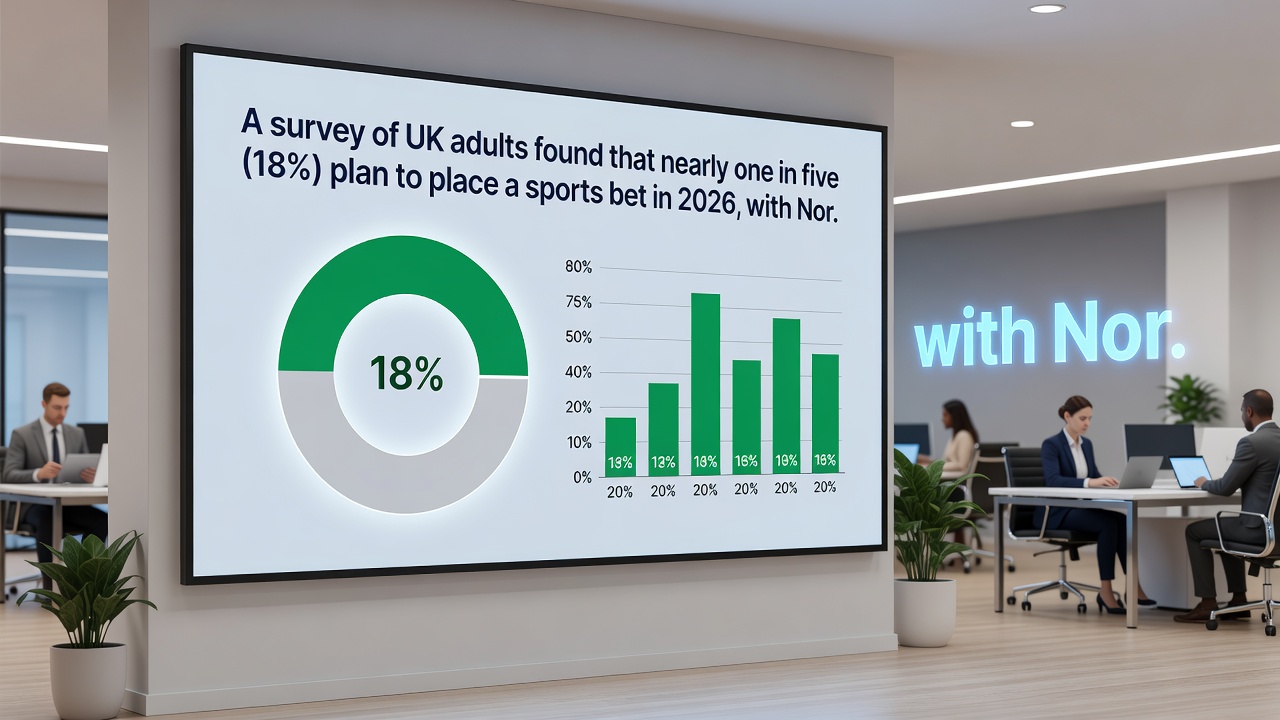
A recent survey of UK adults shows that nearly one in five people, or 18 percent, intend to place at least one sports bet during 2026, and Northern Ireland stands out with the highest regional figure at 26 percent while the Grand National attracts the largest share of planned wagers at 51 percent and the FIFA World Cup 2026 draws the most anticipation at 34 percent interest.
The findings come from the UK Sports Betting Trends 2026 survey and paint a clear picture of where attention will focus once the calendar turns, with horse racing and international football emerging as the dominant categories that respondents expect to engage with most actively.
Participation Rates Across the UK
Overall participation sits at 18 percent, yet the data breaks down differently by nation and region, and Northern Ireland leads the way because 26 percent of adults there report plans to bet on sports throughout the year. England, Scotland, and Wales register lower percentages that still contribute to the national total, while the survey captures responses from a broad cross-section of adults who already follow major fixtures.
Those figures indicate steady interest rather than dramatic spikes, and observers note that the 18 percent baseline provides a measurable starting point for tracking activity once events such as the Grand National and the World Cup arrive on the schedule.
Leading Betting Events Identified
The Grand National tops the list of events that respondents say they plan to bet on, with 51 percent selecting it as their primary choice, and this single horse race continues to draw consistent attention year after year because of its long-standing place in the sporting calendar. Other major fixtures receive mention, yet none reach the same level of planned engagement according to the responses collected.
Football competitions follow closely behind, and several domestic cups and leagues appear in the data, while the survey records that people often combine bets across racing and team sports when multiple events overlap during the same month.
Most Anticipated Sporting Event of 2026
The FIFA World Cup 2026 registers the highest level of anticipation, with 34 percent of respondents identifying it as the event they look forward to most, and the tournament schedule places key matches in June and July when stadiums across North America will host the expanded 48-team competition. Interest remains broad because the event spans several weeks and features daily fixtures that create repeated opportunities for engagement.
Other tournaments and series appear in the responses, but none match the World Cup percentage, and the survey shows that anticipation builds steadily in the months leading up to the opening matches. People who follow international football frequently cite the global nature of the competition as a reason for their heightened interest compared with annual domestic events.
Regional Variations in Planned Activity
Northern Ireland's 26 percent figure stands above the UK average, and the survey data suggest that local sporting traditions and proximity to major race meetings contribute to the difference. Elsewhere in the UK the percentages range lower, yet each region still records measurable intent that aligns with national patterns around the Grand National and the World Cup.
These variations remain consistent with past survey cycles, and researchers have observed that regional differences often reflect the prominence of particular sports within local communities rather than sudden shifts in overall attitudes toward betting.
Context Around 2026 Fixtures
June 2026 marks the start of the FIFA World Cup group stage, and the survey timing places the findings several months ahead of that window, giving respondents a clear view of the events they expect to follow. The Grand National typically occurs in April, so planned bets on that race fall earlier in the year and may serve as an early indicator of activity levels before the summer tournament begins.
The data therefore covers a full annual cycle, and the combination of spring racing and summer football creates two distinct peaks that many respondents appear to have factored into their answers. Observers note that such spacing allows for sustained rather than concentrated betting patterns across the calendar.
Survey Methodology and Scope
The UK Sports Betting Trends 2026 survey gathered responses from adults across the four nations, and the sample size supports the percentage breakdowns reported for both participation and event preference. Questions focused on forward-looking intentions rather than past behavior, which distinguishes the results from retrospective spending reports issued by regulatory bodies.
Respondents identified specific events and stated whether they expected to place bets, and the resulting percentages reflect those direct answers without additional weighting for frequency or stake size. This approach keeps the findings straightforward and tied closely to stated plans.
Conclusion
The survey results establish clear benchmarks for 2026, with 18 percent overall participation, Northern Ireland at 26 percent, the Grand National at 51 percent, and the FIFA World Cup 2026 at 34 percent anticipation, and these figures provide a factual baseline that future data releases can reference once the events unfold. The single UK Sports Betting Trends 2026 survey supplies the source material for all percentages cited, and the patterns it records point to continued attention on established horse racing and international football fixtures throughout the year.